

SEO
What is a niche, and how do you find keywords and customers in it?
What is a niche? It is a specific part of a bigger market, with customers who ask for something very particular. A florist sells flowers. A niche florist only does wedding bouquets. For your business, a niche helps because people searching for exactly what you offer find you more easily. Below you'll see how to test whether you have one, and how to find its keywords and customers.
What is a niche, exactly?
The word comes from French. In British English it is usually said 'neesh'. In American English you often hear 'nitch'. Both are in common use, so nobody will mind which one you pick.
In business, a niche is a small, clearly defined area inside a larger market. The market is everyone who might buy something like what you sell. The niche is the part of that group you serve better than most.
An accountant who helps everyone is working in the whole market. An accountant who only does tax returns for freelance photographers is working in a niche. You can define a niche in three ways:
- By customer: who they are, for example dentists, holiday-home owners or new parents.
- By problem: what they need solved, for example a leaking flat roof or a website that doesn't bring in enquiries.
- By place or situation: where they are or what is going on, for example a villa cleaner on the Costa Blanca or an emergency plumber in one town.
What does niche mean on TikTok, in slang and in biology?
Online, a niche is a small community built around one specific interest, like sourdough baking or mechanical keyboards. As an adjective, 'niche' means something appeals to a small group with particular tastes. Labels like 'niche girl' are used loosely, and the meaning shifts from one community to the next.
In A-level biology, an ecological niche is the role a species plays in its environment: where it lives, what it eats and what it needs to survive. The idea is the same in all three cases. A niche is a specific spot where something fits well.
For your business, that last picture is the useful one. You are looking for the spot where your offer fits a group of customers better than anything else on offer.
What are niche products?
Niche products are made for a small, specific group of buyers. Think of left-handed kitchen tools, reef-safe sunscreen for divers, or gluten-free celebration cakes. Plenty of people never need them. The people who do need them search hard and compare less.
A niche product is not a product nobody wants. It is a product that a smaller group wants a lot. If you run a webshop, that is a real advantage. A customer who finds exactly the item they had in mind rarely scrolls on to your competitor.
Services work the same way. A physiotherapist who treats only runners has a niche service, even though physiotherapy itself is common.
How do you know if you have a niche?
Most owners already have one. They just haven't named it. Take your last 20 jobs, orders or clients and write them down. Then mark the ones that paid well, went smoothly and that you would happily repeat. Look for what those have in common.
Then run four checks:
- Can you describe your ideal customer in one sentence?
- Does that customer use specific words when they search, such as 'wedding bouquet delivery in Bristol' rather than 'flowers'?
- Are there enough of them? Search for what they would type and see whether other businesses already serve them. A few competitors is a good sign. None at all can mean there is no demand.
- Do you win these jobs more often, or at a better price, than your other work?
Is a niche risky?
It can be. If you depend on one small group, a change in that group hits you harder. A niche in one narrow product that goes out of fashion is a real risk.
You can reduce it. Keep your other services, but lead with the niche on your homepage and in your ads. Build one page for the niche first and see whether it brings enquiries before you change your whole business. Choose a group that is small but not tiny, such as all holiday rental owners in your region rather than the owners of one single villa.
A niche is the front door to your business. It does not have to be the whole building.
How do you find keywords in your niche?
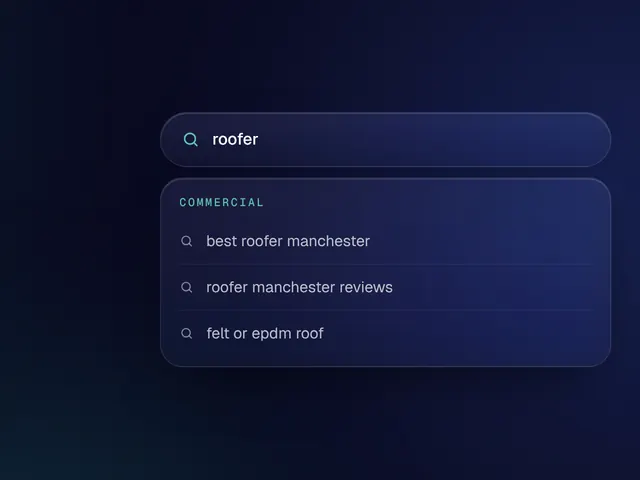
A keyword is a word or phrase people type into Google. In a niche, the useful ones are usually long and specific. These are called long-tail keywords. 'Accountant' is broad. 'Accountant for freelance photographers' is long-tail. Fewer people search for it, but the ones who do are much closer to hiring someone. You can read more about this on our keyword research page.
Here is a simple way to start, without any paid tools:
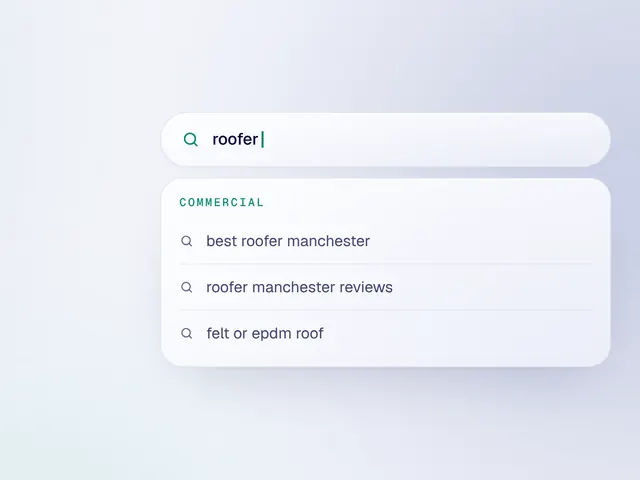
- Type your service into Google and look at the suggestions that appear as you type.
- Scroll down to the 'People also ask' box and the 'Related searches' at the bottom of the results. These show how real people phrase the question.
- Write down the exact words your customers use when they call or email. They rarely use your professional terms.
- If you have a website, open Google Search Console. It is a free Google tool that shows which searches your site has appeared for. Some will show you a niche you didn't know you had.
- For seasonal niches, check when interest rises with Google Trends, so you can publish before the busy period.
How do you find customers in your niche?
Start with the customers you already have. Ask two or three of them how they found you and what nearly stopped them from buying. Their answers tell you where the others are.
Then give each niche its own page on your website, written for that group and using their words. A page called 'Bookkeeping for holiday rental owners' will do more than a general 'Services' page. This is the core of SEO services: making sure the right page appears when the right person searches.
Outside Google, go where your niche already talks. That could be a local Facebook group, a trade association, a forum or a supplier that serves the same customers. Make sure your Google Business Profile, the listing that shows your business on Google Maps, names the niche in its description.
If you would like someone to look at this with you, Request the free quickscan. I look at your site and the searches in your niche myself, and it is free even if you don't buy anything.
Frequently asked questions
What does niche mean on TikTok?
On TikTok, a niche is a specific topic or community that a creator focuses on, such as budget travel, houseplants or woodworking. Niche content attracts a smaller but more engaged audience. People also use 'niche' to describe something that only appeals to a small group with particular tastes.
Why do Americans say 'nitch' instead of 'neesh'?
Both pronunciations are accepted. 'Neesh' follows the French origin of the word and is the usual choice in British English. 'Nitch' is an English-style pronunciation that is common in the US. Neither is wrong, so use whichever sounds natural to you and your customers.
What is a niche in A-level biology?
An ecological niche is the role a species has in its habitat. It covers where the organism lives, what it eats, when it is active and how it interacts with other species. Two species cannot occupy exactly the same niche in the same place for long, because they compete for the same resources.
Is a niche market good for a small business?
Usually yes, because a small business cannot compete with big brands on everything. A niche lets you stand out for one thing, speak your customers' language and show up for specific searches. Keep it broad enough that enough customers exist, and test it with one page before changing your whole business.
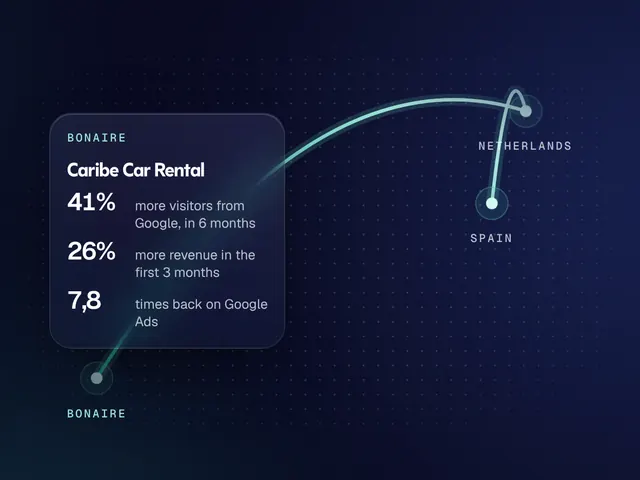
Dimitry founder of Growetic. He does SEO, Google Ads and websites for businesses in the Netherlands, on Bonaire and in Spain.