



Websites
How much does a website cost? Building it yourself vs hiring a professional
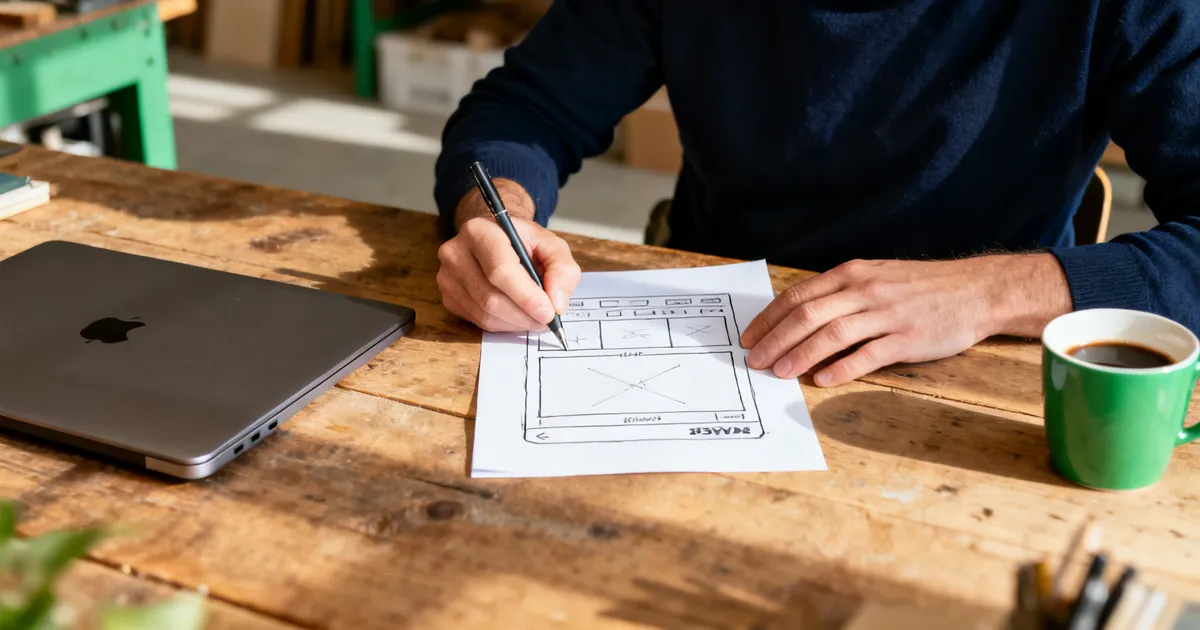
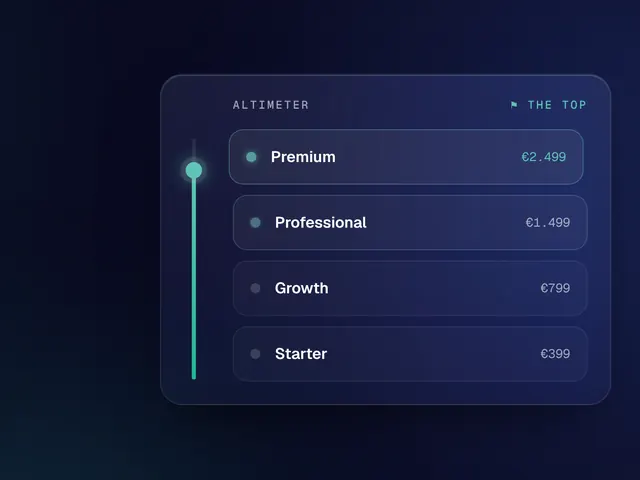
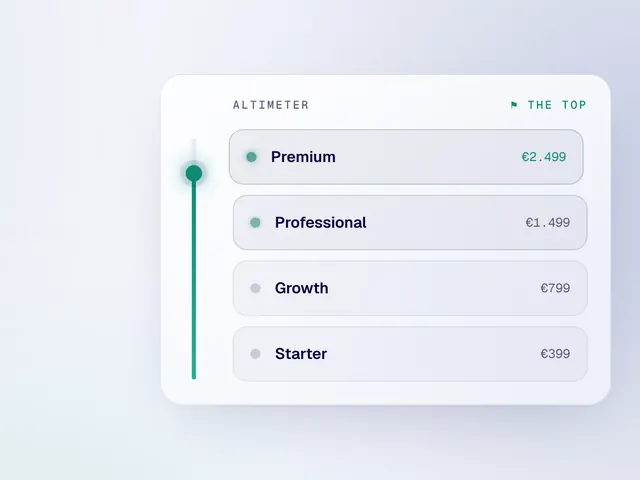
How much does a website cost? Building it yourself costs mostly hours, plus a small monthly fee for the builder. Hiring a professional costs a fixed amount upfront, which at Growetic starts at €699 for a one-page site and €2,499 for a full website. Which is cheaper for you depends on what your time is worth and what the site has to bring in.
Is building a website yourself difficult?
The first version is not difficult. Tools like Wix, Squarespace or WordPress let you pick a template, swap in your text and photos, and publish in an evening. (WordPress is free software that a large share of websites run on. You install it on your own hosting, which I explain below.)
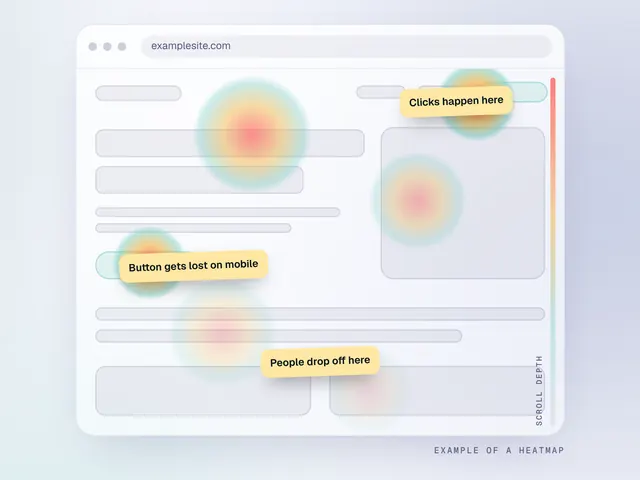
The hard part comes after the first evening. Does the site look right on a phone? Do the texts make a visitor pick up the phone or send an enquiry? Can people find you on Google? Who updates it when your prices or opening hours change?
Take a hairdresser who builds her own site. The photos are lovely and the layout is neat. But there is no price list, the booking button sits at the bottom of the page, and nobody scrolls that far on a phone. Building the site was not the problem. Thinking like a customer was.
Can you build a website for free, and is a free website builder really free?
You can start for free, but a free plan is rarely enough for a business. Free plans usually show the builder's own advertising on your site. Your web address ends in the builder's name instead of your own. Some features are locked.
Two terms matter here. A domain is your web address, like yourbusiness.com. Hosting is the rented space on a server where your site's files live. A paid builder plan usually bundles both and charges per month. Check what the price becomes after the first year, because the starting price is not always the price you keep paying.
So can you run a website free of cost? For a hobby, yes. For a business, a web address that is not your own makes you look less trustworthy. The cheapest sensible set-up is a simple site on a paid plan with your own domain.
How much does it cost to have a website built?
Prices vary a lot between agencies, so ask what is included before you compare. These are the prices I charge at Growetic:
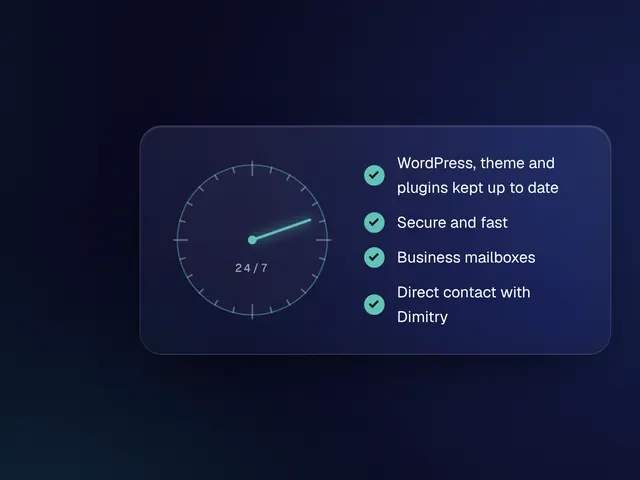
Running costs come on top of any build price: the domain, hosting and maintenance. Maintenance means updates, backups and security checks, so the site does not break or get hacked. Mine is website maintenance at €15 to €35 per month, depending on the site.
Whoever quotes you, ask three things. What exactly is included? Does the site belong to you if you leave? What do you pay per month afterwards? A fair price is one that makes sense next to what a new customer is worth to you. If one extra job a month pays for the site, the maths is easy.
- One-pager from €699: a single page with who you are, what you do and how to reach you. Suits a plumber, a coach or a new business.
- Website from €2,499: several pages, such as services, about you, contact and a blog.
- Webshop from €3,499: built in WooCommerce, the shop add-on for WordPress, so you can sell products online.
DIY or hire a professional: how do you choose?
Start with a simple sum. Say you need 30 hours to build and tune the site, and an hour of your time is worth €40. That is €1,200 of your time, and those hours are not spent on customers. If a fixed price is close to that, handing it over is usually the better deal.
Building it yourself makes sense in these cases:
Hiring someone makes sense in these cases:
There is also a middle route. Build a simple one-pager now, then have a proper site made once the business is running. A website made by a professional does not have to be your first step.
- The site is small, a few pages at most.
- The budget is tight and you are just starting.
- You enjoy it and have the evenings to spare.
- The site is your main source of enquiries or sales.
- You are selling online and the shop has to work properly.
- You want to be found on Google, not just have an address to put on a business card.
- You would rather spend your time on your actual work.
Which steps do you follow if you build it yourself?
Go through them in this order. It keeps you from spending a weekend on colours before you know what the site is for.
- Decide what the site must do: get calls, bookings, quote requests or sales.
- Choose your domain. Keep it short and easy to spell, and match the ending to your customers.
- Pick a builder or platform and a paid plan that includes your own domain.
- Write the text first: what you offer, for whom, where, and what it costs or starts at.
- Add your own photos. Real pictures of your work beat stock images.
- Make the contact step obvious: a button, a phone number, a short form.
- Test on your phone and ask someone outside your business to find your phone number.
- Publish, then ask a few customers what they would change.
What must be on your website, whatever you choose?
A good site answers the visitor's questions within a few seconds. Whether you build it yourself or hire someone, check that these are there: what you do and where, a phone number or contact form that is easy to find, a clear next step on every page, your own photos, a price or a 'from' price if you can give one, and a few real customer reviews. Add a privacy policy as well, which is required in many countries.
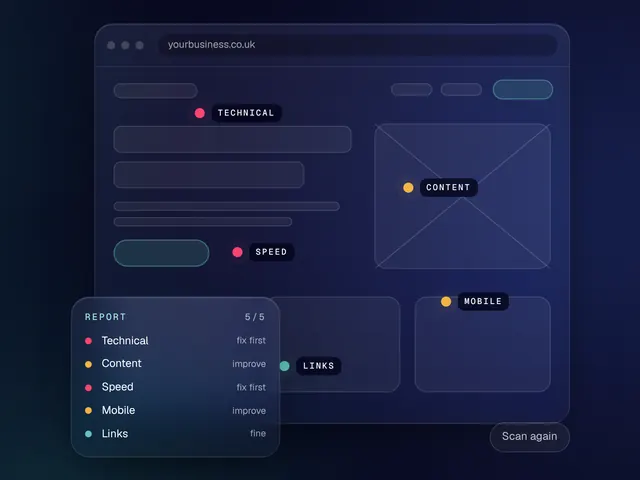
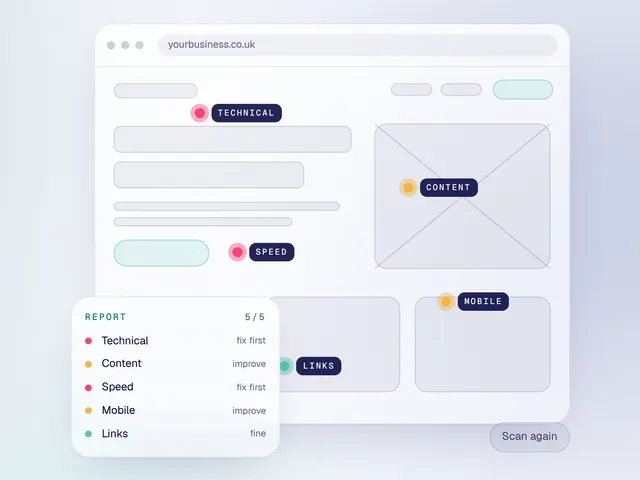
If your site is live but nobody finds it, that is a separate problem. Seven common causes of a website not showing up on Google are worth a look.
If you are unsure which route fits, send me your current site or your plans through the free quickscan. It stays free even if you don't buy anything. If you then want a new site, we have a short call and you see the result within 5 working days, before you sign. Request the free quickscan and you will hear from me directly, not from a salesperson.
Frequently asked questions
How much should I pay for someone to build my website?
For a small business, think in three tiers. A one-page site starts around €699, a full multi-page website around €2,499 and a webshop around €3,499. Pay more only if you need more pages or features. Always ask what is included and what you pay per month afterwards.
Is it better to have a .com or .co.uk website?
Pick the ending your customers expect. If you serve mostly UK customers, .co.uk shows them you are local. If you work internationally or in several countries, .com is the safer choice. The same logic applies to .nl or .es. If you can, register both and point one to the other.
Can I run a website free of cost?
You can publish a basic site on a free plan, but it will usually carry the builder's adverts and a web address that is not your own. That is fine for a hobby. For a business, budget for at least a domain and hosting, because they make you look more trustworthy.
What's the cheapest way to run a website?
Build a small site yourself on a paid plan from a website builder, with your own domain. You pay a modest monthly fee and spend your own hours. It is cheapest in cash, but not in time. Keep the site to the pages your customers actually need.
Is web design still in demand?
Yes, because customers still look a business up before they call or buy. Templates have made simple sites easier to do yourself. What people still pay for is a site that is clear on a phone, loads quickly and turns visitors into enquiries.
Dimitry founder of Growetic. He does SEO, Google Ads and websites for businesses in the Netherlands, on Bonaire and in Spain.